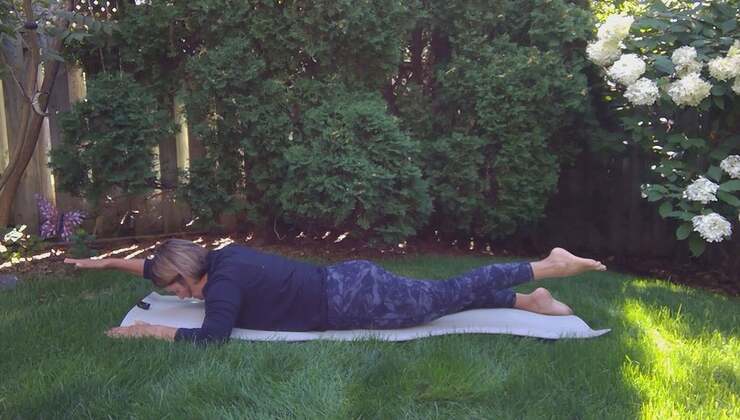
The final week — integrates strength, stability, and somatic awareness into more complex functional movement.

Week 3 adds complexity and progressive loading to continue building durable, functional strength.
Continues building core and full-body stability with progressively more demanding movement patterns.

Week 1 of the Strength and Core Stability Series, building the foundational movement patterns that underpin safe strength work.

Uses somatic movement to improve gait mechanics, hip function, and lower body stability for more comfortable walking and hiking.

A SomaYoga class focused on building true core stability through slow, mindful movement and breath rather than brute strength.

A Pilates-inspired class that wakes up and strengthens the leg muscles through controlled, functional movement patterns.

A mat Pilates class combining abdominal and glute work through precise, breath-led movements for balanced core strength.

Builds standing stability by progressively increasing load, teaching the body to handle more demand without losing alignment.

A standing movement sequence to build strength, improve balance, and restore a sense of ease and energy.

Builds strength in the arms, shoulders, and upper back through deliberate movement and breath. Mindful rather than high-intensity.

A dedicated shoulder practice combining release work and mobility exercises to restore full, pain-free shoulder movement.

A class combining functional movement and somatic work to release and strengthen the upper back and shoulders.

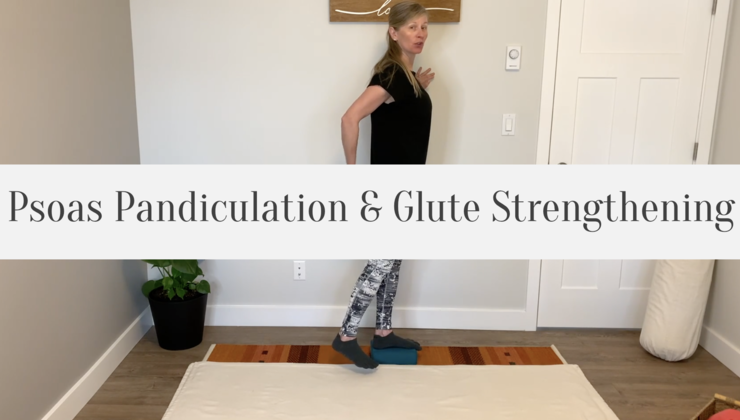
Pairs psoas pandiculation with glute strengthening to create balanced front-to-back function in the hip and lower body.

Combines leg movement practice with rebounding to build the stability and coordination needed for easier walking and hiking.

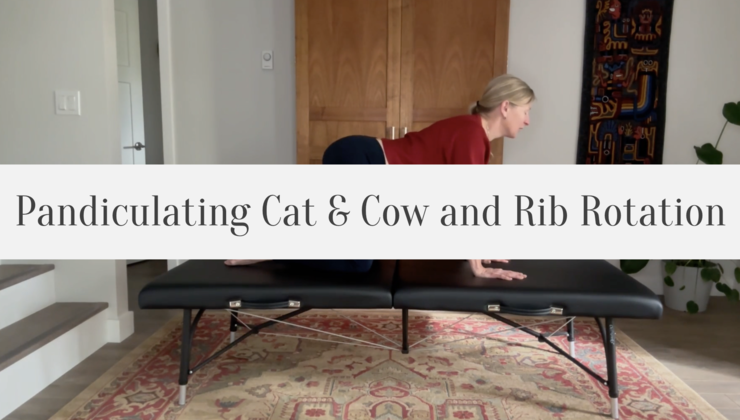
Combines pandiculated cat and cow with rib rotation to improve thoracic mobility and reset the spinal extensor muscles.

A recorded class using somatic movement to improve shoulder mobility and release tension in the upper back and arms.
A targeted practice addressing the muscular and movement patterns that commonly contribute to knee discomfort and instability.

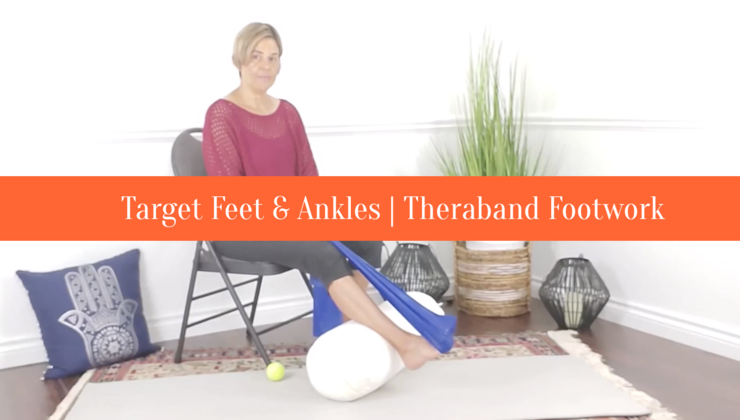
Theraband exercises targeting the feet and ankles to build stability, improve mobility, and support full-body alignment.
A straightforward routine to strengthen the back muscles through deliberate, functional movement without aggravating pain.

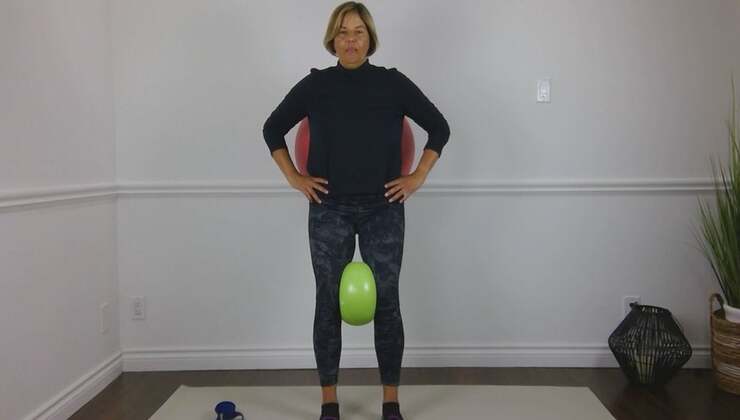
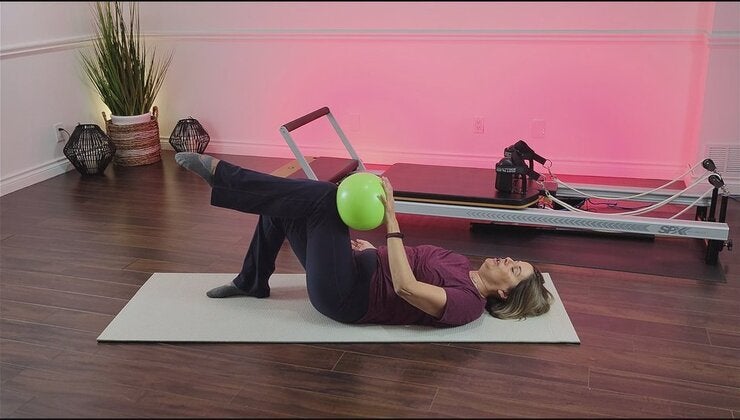
Uses a small ball to add tactile feedback and precision to somatic Pilates core work for more effective muscle engagement.

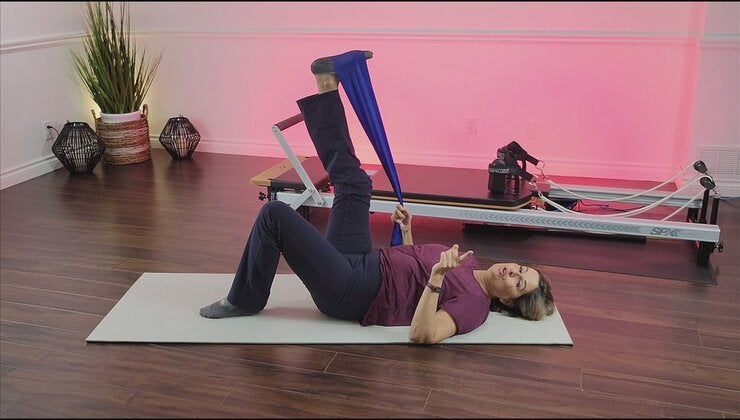
Integrates Theraband resistance into somatic Pilates core work to build functional strength with added challenge.

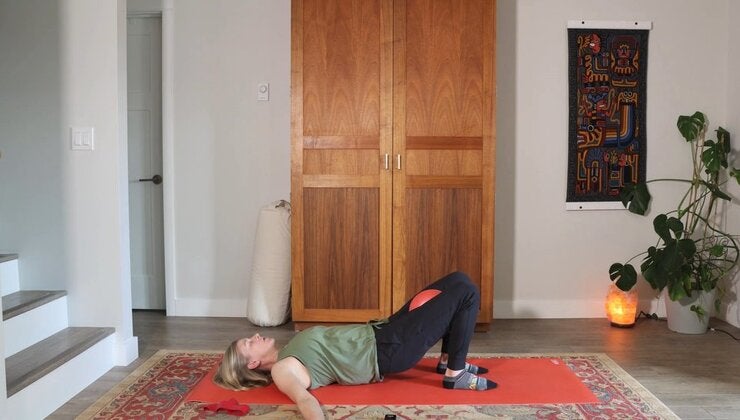
Step-by-step progression for building core stability in the bridge position, with attention to breath and alignment.

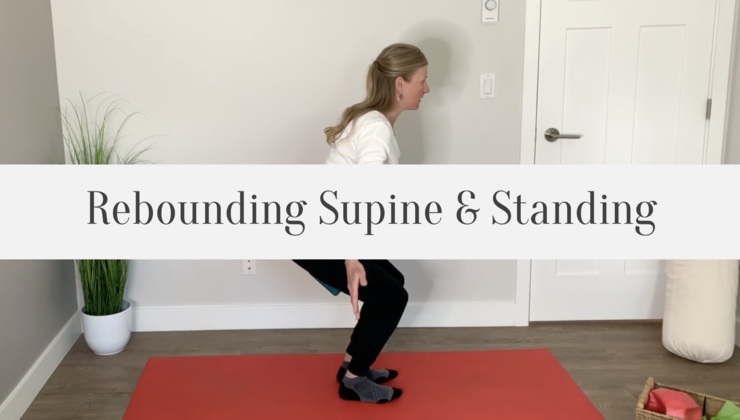
Uses supine and standing rebounding to stimulate the lymphatic system and build joint stability throughout the body.

Targets the quadriceps through seated and standing pandiculation to release front-of-thigh tension and knee strain.
Targets the ileocecal valve through gentle movement to support digestive health and release tension in the surrounding area.

Targets the left obliques within a right-side trauma pattern to address the asymmetrical tension common in one-sided pain.

Works along the body's deep center line — core, spine, and postural chain — through slow pandiculation and breath.

Combines pelvic floor movement with bija seed sound meditation to support both structural and energetic pelvic health.

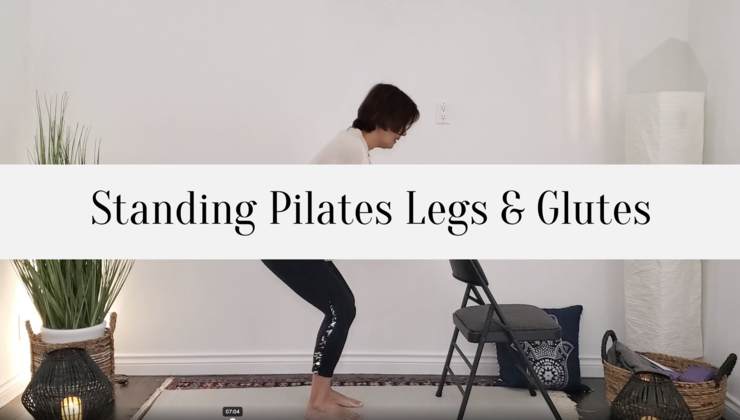
A standing Pilates class targeting the legs and glutes for functional strength and lower body stability.

Explores pelvic movement in three planes of motion to improve mobility, release tension, and support lower back health.

A three-phase class: release habituated tension, strengthen key muscle groups, and reset the nervous system to complete the cycle.

Uses clamshell pandiculation to wake up and strengthen the glutes, abdominals, and core with somatic precision.

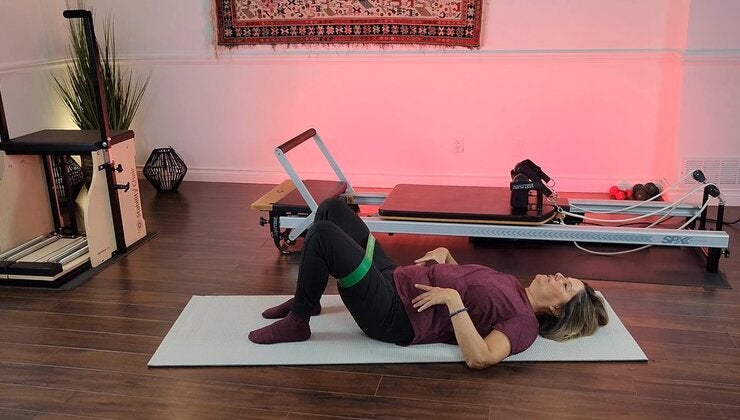
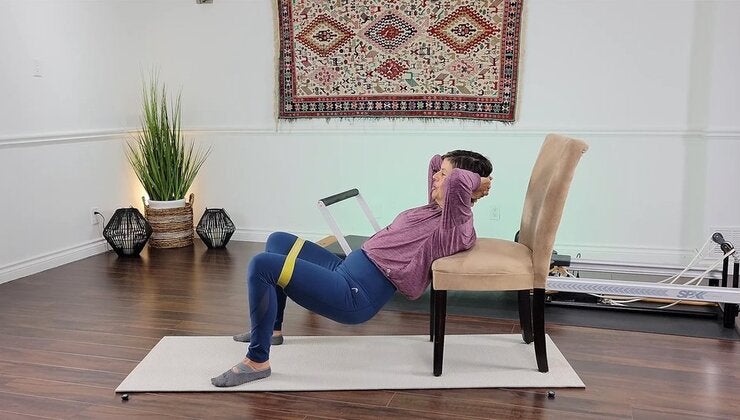
Chair-supported glute bridges with a Theraband to build strength in the glutes, back, and neck with added resistance.

A short, focused Pilates class targeting core and leg strength with precise movements and synchronized breath.

Progressively activates the glutes and pelvis through bridging, side steps, and speed skater movements.

Explains reciprocal inhibition and why it matters before you start strengthening — understanding this changes how you train.

Explains why treating pain locally often fails and how addressing the body as a whole system produces better results.

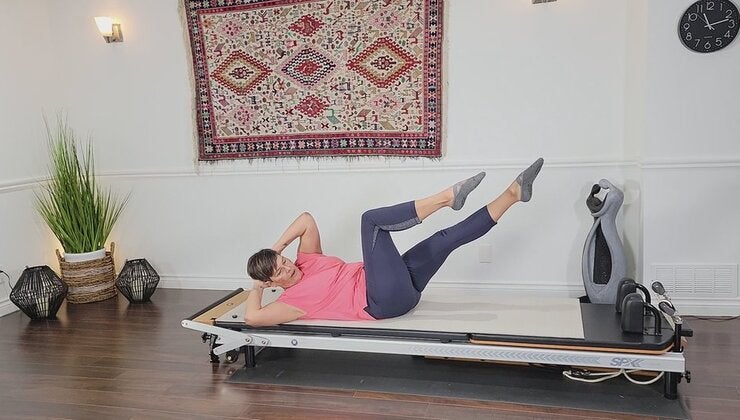
Core-focused Pilates using leg lifts, abdominal curls, and bridge variations with breath. Builds strength without straining.

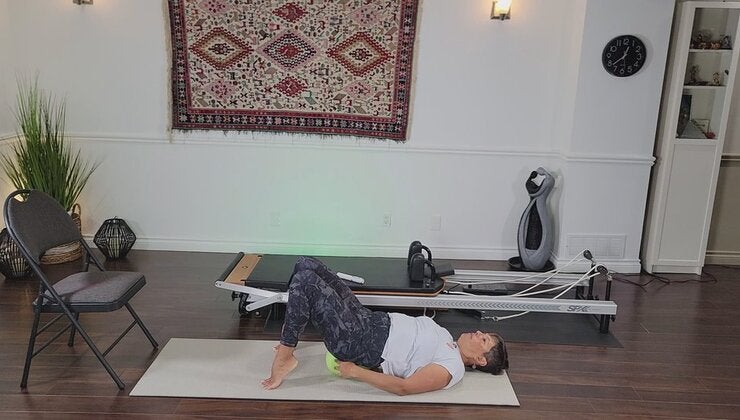
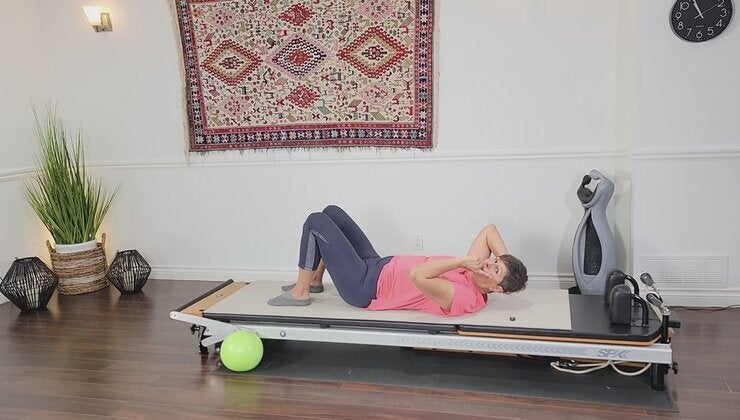
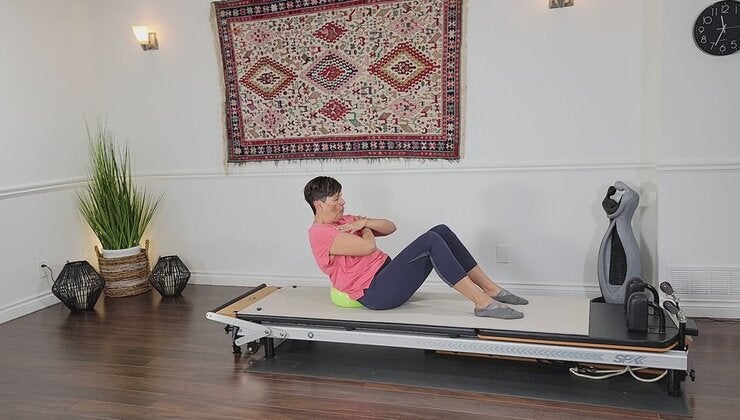
Traditional Pilates for the legs, abdominals, and core using a Pilates ball. Combines breath and precision for balanced strength.

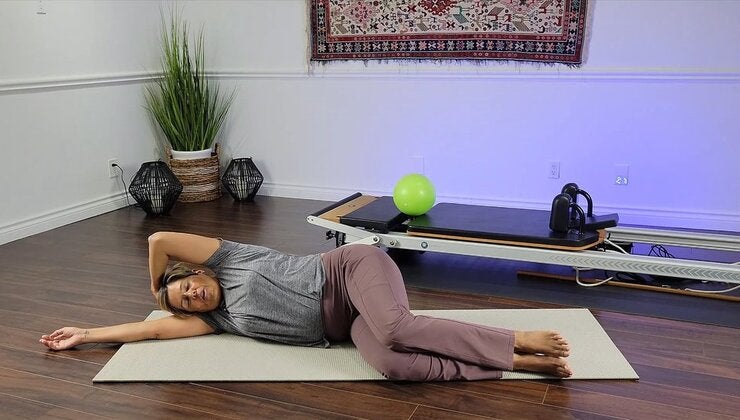
A habituated reflex practice using side curl to address lateral tension and paired with glute strengthening for balance.

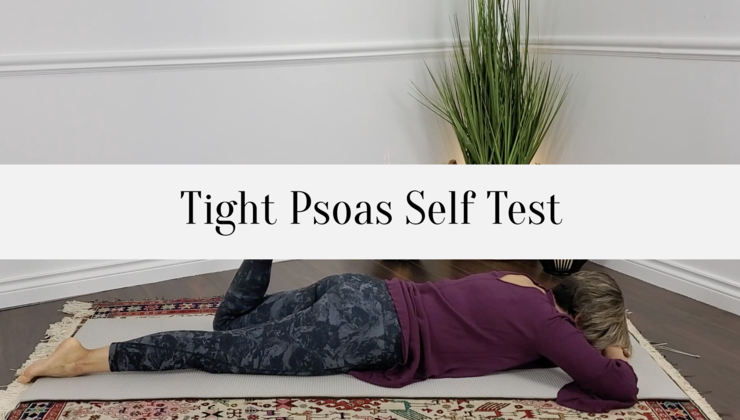
A simple self-assessment to determine whether your psoas is tight, and what that might mean for your pain and movement.

Explores the common areas of restricted movement that drive pain and dysfunction, and how to identify them in your own body.