.png)
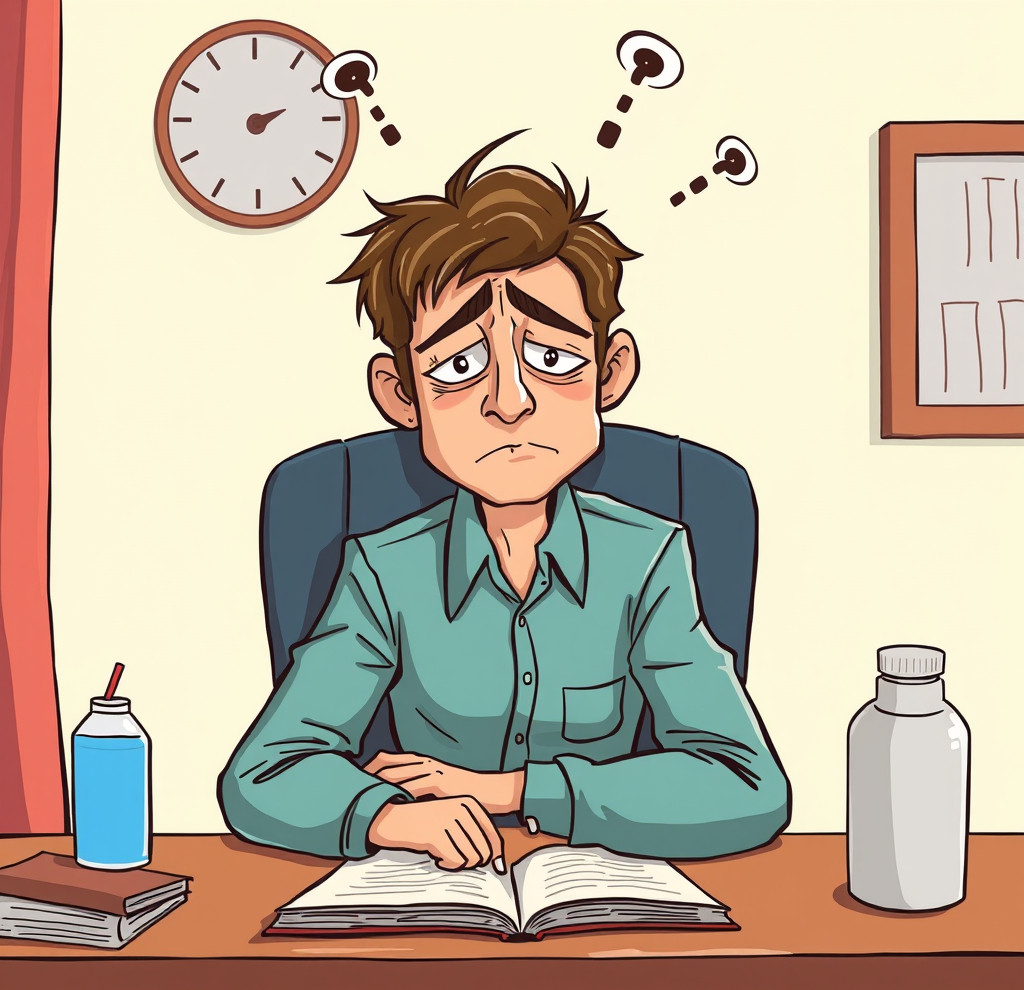
In today’s high-speed, hyperconnected world, many of us are unknowingly living in a state of chronic stress. Our nervous systems—designed to protect us from danger—are stuck in overdrive, constantly interpreting everyday stressors as threats. Understanding this dynamic is the first step toward reclaiming your health, resilience, and peace of mind.

Your nervous system operates in two primary modes:
Both are essential. But problems arise when we get stuck in the sympathetic state—especially when the threats are no longer physical, but psychological and emotional.
Animals know instinctively how to relieve stress.
Picture a gazelle grazing peacefully on the Serengeti. Suddenly, a lion charges. The gazelle’s nervous system kicks into high gear—heart pounding, senses heightened, muscles primed for escape. Once safe, the gazelle literally shakes off the stress and returns to grazing, its nervous system reset.
Humans, however, don’t “shake it off.” Our predators are different: financial insecurity, work pressure, family conflict, global crises. We carry these perceived threats constantly, layering stress upon stress without ever resetting.
When stuck in a prolonged sympathetic state, the body begins to show signs of distress:
Physical Symptoms
Emotional & Behavioral Symptoms
High blood pressure
Anxiety, depression
Increased heart rate
Racing thoughts
Shallow breathing
Inability to focus
Sweating
Procrastination, avoidance
Jaw clenching, teeth grinding
Substance abuse
Skin issues (eczema, psoriasis)
Insomnia, forgetfulness
Hair loss
Feeling overwhelmed
These symptoms are just the tip of the iceberg. Over time, they can lead to chronic illness, hormonal imbalances, and emotional burnout.
Our bodies can become addicted to stress hormones like adrenaline and cortisol. Like kids craving candy, we chase stimulation—through extreme sports, overworking, or constant multitasking. Society often rewards this behavior, labeling it as “success” or “dedication.”
But true success lies in resilience, not reactivity.
To shift out of overdrive, we must intentionally engage in practices that activate the parasympathetic system:
This isn’t just stress management—it’s nervous system transformation.
Imagine navigating life’s ups and downs with calm, clarity, and grounded presence. That’s the power of a regulated nervous system. When we stop reacting and start responding, we become resilient—not just surviving, but thriving.
This is the essence of somatic healing. So let this be your invitation: slow down, tune in, and support your nervous system like it’s non-negotiable.
👉 Ready to begin? https://resolvepainguru.thinkific.com/courses/somatic-foundations-for-humans