Family interactions can be stressful, particularly this time of year and now the stress created by the suffering and uncertainty of the current world situation because of Covid 19. It is hard to stay centered and positive.
January 22, 2026
Resolve Pain Guru
Family interactions can be stressful, particularly this time of year and now the stress created by the suffering and uncertainty of the current world situation because of Covid 19. It is hard to stay centered and positive.
As humans we have the free will to choose how we want to show up in our lives. Building awareness of how we interact with the world and with ourselves is the key to finding balance. Start to pay attention to how you react to situations.
Everyday of your life you have two choices; to react from a place of Love or to react from a place of Fear. Love is just Love. Fear is greed, anger, jealousy and every emotion you can experience as a human being. Start to pay attention to what motivates your behaviour. Are your words and actions motivated by unconditional love or fear?
Pay attention to how you live
In our last post, Pay it Forward to Yourself, we learned that the Yoga Sutras teach us that the first step on the path into suffering is ignorance or forgetting who we are. We forget that we are a thread in the tapestry of Divine wisdom.
The yogis teach us that our inherent nature is that of Love, Peace and Joy. This state of being is your birth right!
We suffer because we have covered over this perfection with layers and layers of behaviour patterns, beliefs, likes and dislikes informed by our past wounding, traumas and life experiences. The yogis go on to explain that this path of attaching to our likes, dislikes and resisting change perpetuate our deep sadness and suffering.
Non-violence is at the root of all Eastern Philosophies. Non-violence is not just about being kind to others, it is more about loving oneself. If you practice being kind to yourself you will begin to automatically experience harmonious relationships with others and yourself.
Since we know that we cannot change anything we are not aware of this Christmas season presents a great opportunity to observe your patterns and habits. Observe how you relate to others and how you react to the current Covid pandemic, and sense and feel how this shows up in your body.
As you spend time with family and friends, whether virtually or in-person over this holiday season pay attention to when you are expanding into love and when are you contracting into fear. Do you live in love or fear? Can you recognize these distinctions in your body and your breath?
How does it feel when your thoughts, words and actions are steeped in love?
How does it feel when you default to being motivated by fear?
The Art of Becoming Present
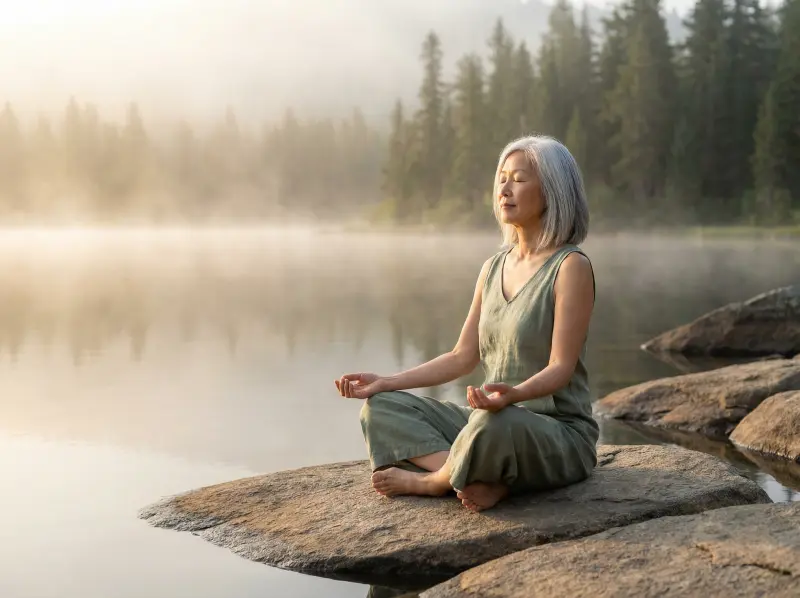
When you notice that you are having a reaction based on old information that is bringing you into fear, practice instead the art of becoming present. Come back to the present moment. Take 3 to 5 breaths and really feel the breath move into and out of your body.
Then, see the situation in a new and novel way and ask yourself what am I grateful for in this moment?
Practicing gratitude does four amazing things:
It brings you back to the present moment
Connects you to your true nature – which is love
It makes you feel lightness, happiness and joy
It releases endorphins relaxing the muscles and tissues of your body and can reduce your pain.
As Eckhart Tolle the author of The Power of Now says “the present moment holds the key to liberation.”
Life is a journey, a practice. So nothing needs to be perfect. We are all life-long students. Keep observing, stay present to your thoughts, words and actions. Keep Love in your heart and in your thoughts, words and actions.
Wishing you Peace, Love and Joy.
Stick with us, keep learning and growing. We will be introducing lots of new content on our Video on Demand Channel.
PELVIC FLOOR PROBLEMS: SYMPTOM OF A BIGGER PATTERN
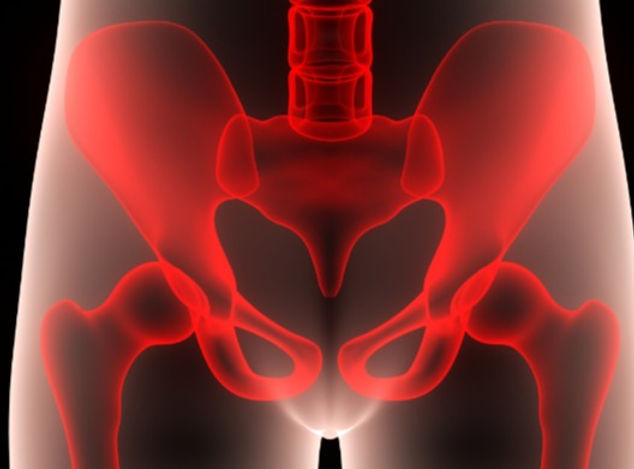
Just as any other muscle can fall into a pattern of not functioning well as a result of Sensory Motor Amnesia , the pelvic floor is affected by trauma (such as labour and delivery), sports and habituated contraction of the belly muscles.
MORNING PRACTICES TO STIMULATE ELIMINATION & DIGESTION
The science of Ayurveda and the 6 pillars of balanced living outline many easy to adopt practices that have a large impact on our health and well-being.

 FreeFree MasterclassDiscover how SomaYoga and somatics can rebalance your nervous system.Watch the replay
 Work with CarrieYoga therapy, pain reprocessing and somatics.Our StoryWho we are and why we do this work.
 Work with NicoleSomaYoga therapy for pain relief and ease of movement.Clinic SessionsPrivate sessions to resolve pain and build your self-care routine.TestimonialsReal stories from students who found relief.
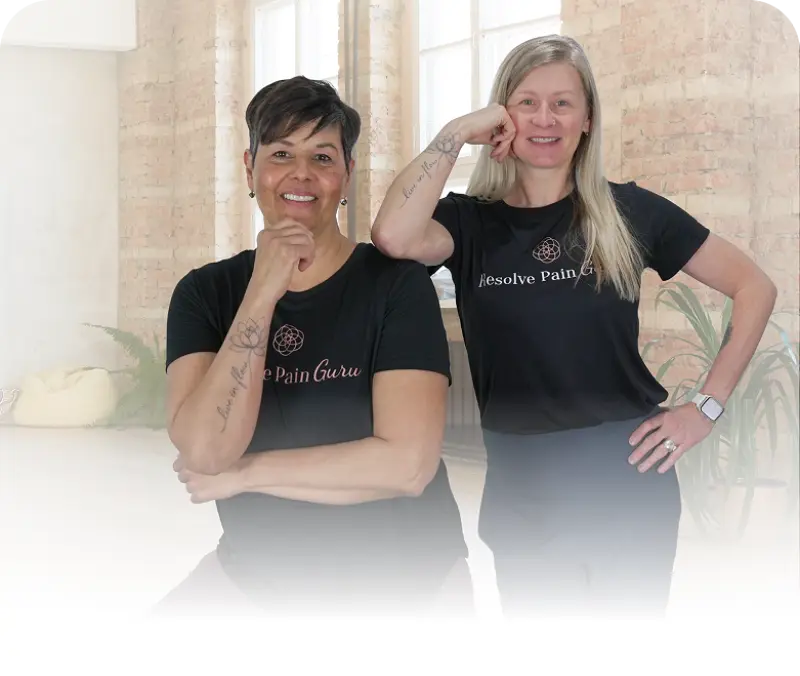 Meet the foundersCarrie & NicoleCertified SomaYoga Therapists helping clients resolve chronic pain for 14+ years.Read our story