If you’ve been living with persistent pain, you know the struggle isn’t just physical—it’s emotional, exhausting, and deeply personal. You’ve tried everything: medications, therapies, surgeries, supplements. And yet, the pain keeps coming back.
But what if the problem isn’t in your body… it’s in your brain?
Welcome to a groundbreaking new approach that’s helping people finally break free from the pain loop—and it’s backed by science.
The Mystery of Chronic Pain: Why It Keeps Coming Back
Chronic pain is confusing. It can linger long after an injury has healed—or show up when there’s no injury at all. You feel it in your back, your neck, your joints… but scans come back clean. Doctors shrug. You’re told to “manage” it.
This cycle—flare-up, treatment, temporary relief, repeat—is what we call pain maintenance, not pain resolution.
Here’s the truth: your brain is the boss. When it misfires, it can send pain signals even when nothing is physically wrong. That part of your body hurts—but it’s not broken.
The Science: Chronic Pain Starts in the Brain
A landmark study at Northwestern University analyzed brain scans of 50 patients with back pain. Researchers predicted with 85% accuracy who would develop chronic pain—not based on injury, but on brain activity.
Their conclusion? Most chronic pain is generated by neural pathways, not damaged tissues. This explains why so many back surgeries fail to deliver relief. In fact, there’s now a diagnosis called “failed back surgery syndrome.” The problem isn’t structural—it’s neurological.
Neuroplastic Pain: When the Brain Gets It Wrong
This new understanding—called Neuroplastic Pain—is reshaping how we treat chronic pain. In these cases, the brain misinterprets normal bodily signals as dangerous.
That misinterpretation triggers fear, which fuels more pain. It’s a vicious cycle. But here’s the good news: you can retrain your brain.
The Breakthrough: Somatic Neuromuscular Re-education
When pain is persistent, it’s often a brain issue. And that means it can be resolved—not just managed—by retraining the brain.
Using Somatic Neuromuscular Re-education, we teach the brain to communicate properly with the body. This isn’t about stretching or strengthening—it’s about rewiring the system that controls pain.
The result? People are reclaiming their mobility, strength, and confidence. Some are even experiencing complete resolution of chronic pain.
Real Story, Real Hope:
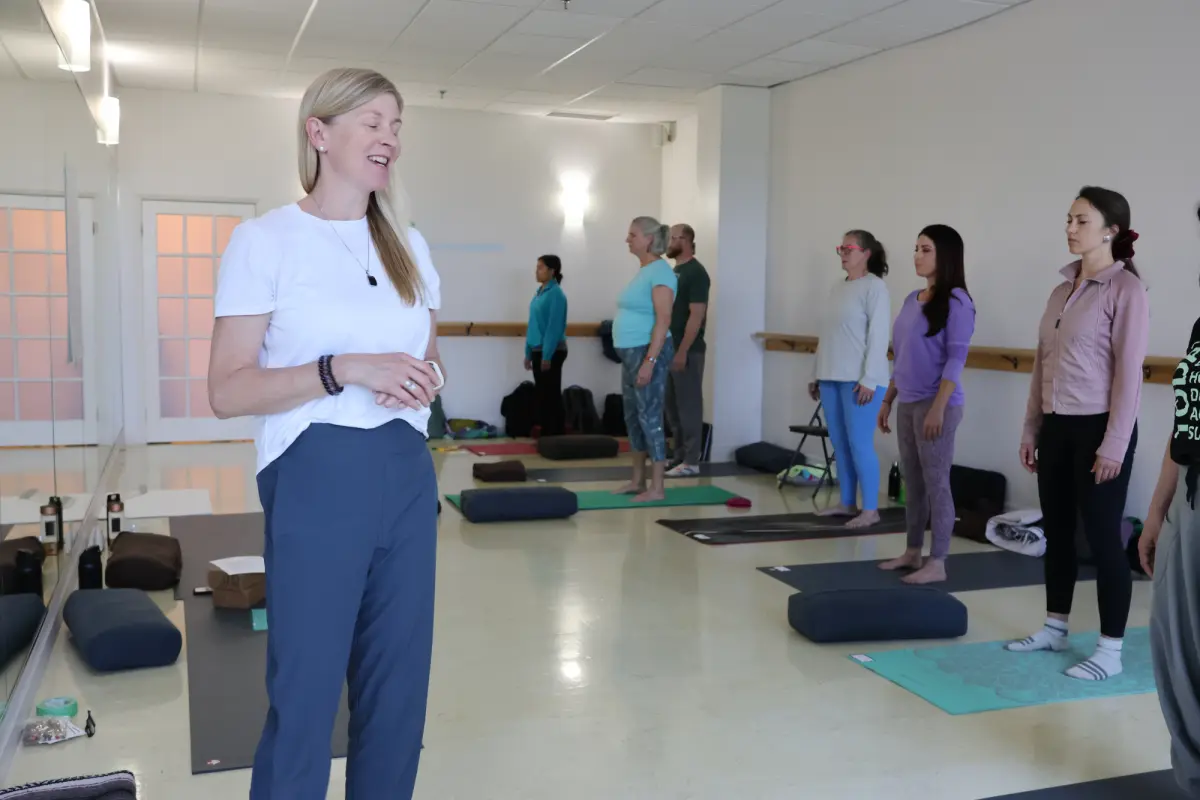
Catherine from Ottawa shared her experience after attending a weekend immersive experience with Resolve Pain Guru:
“After almost a lifetime of chronic pain, I had lost hope. But the workshop changed everything. I realized that stretching my muscles was just sending a memo—what I needed was to talk to the boss. Learning how to get my brain talking directly to my muscles opened a whole new world of possibilities. I can’t recommend it enough.”
A New Chapter Starts Here
If you feel stuck, this isn’t just another treatment—it’s a chance to rewrite your story. You don’t have to live in pain. You don’t have to settle for temporary relief.
You can retrain your brain, reclaim your body, and rediscover your life.


 FreeFree MasterclassDiscover how SomaYoga and somatics can rebalance your nervous system.Watch the replay
 Work with CarrieYoga therapy, pain reprocessing and somatics.Our StoryWho we are and why we do this work.
 Work with NicoleSomaYoga therapy for pain relief and ease of movement.Clinic SessionsPrivate sessions to resolve pain and build your self-care routine.TestimonialsReal stories from students who found relief.
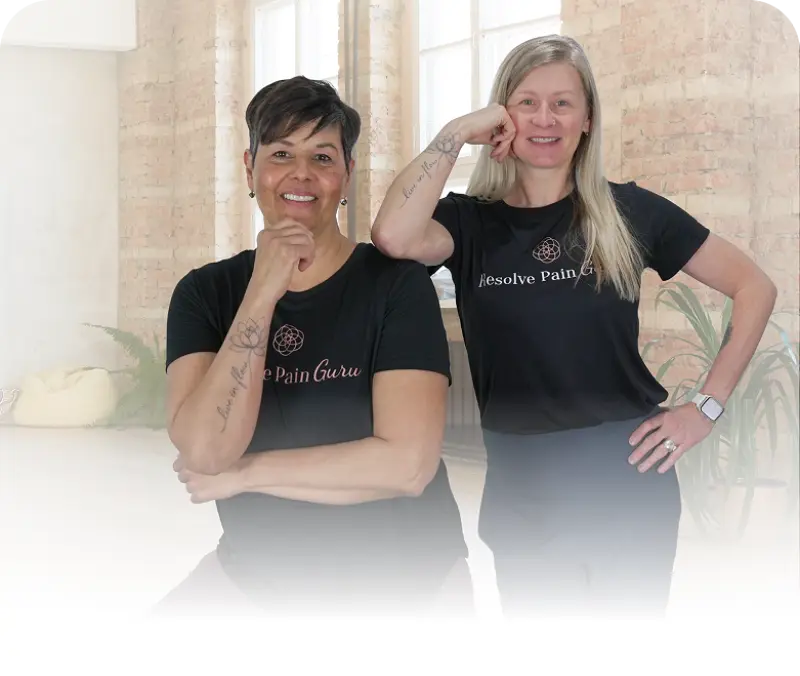 Meet the foundersCarrie & NicoleCertified SomaYoga Therapists helping clients resolve chronic pain for 14+ years.Read our story