Have you ever felt like your body is doing everything “right” — you stretch, you strengthen, you try to sit up straighter — and yet you still feel tight, achy, and tired?
Sometimes what you’re experiencing isn’t a flexibility problem or a weakness problem.
It’s a nervous system problem.
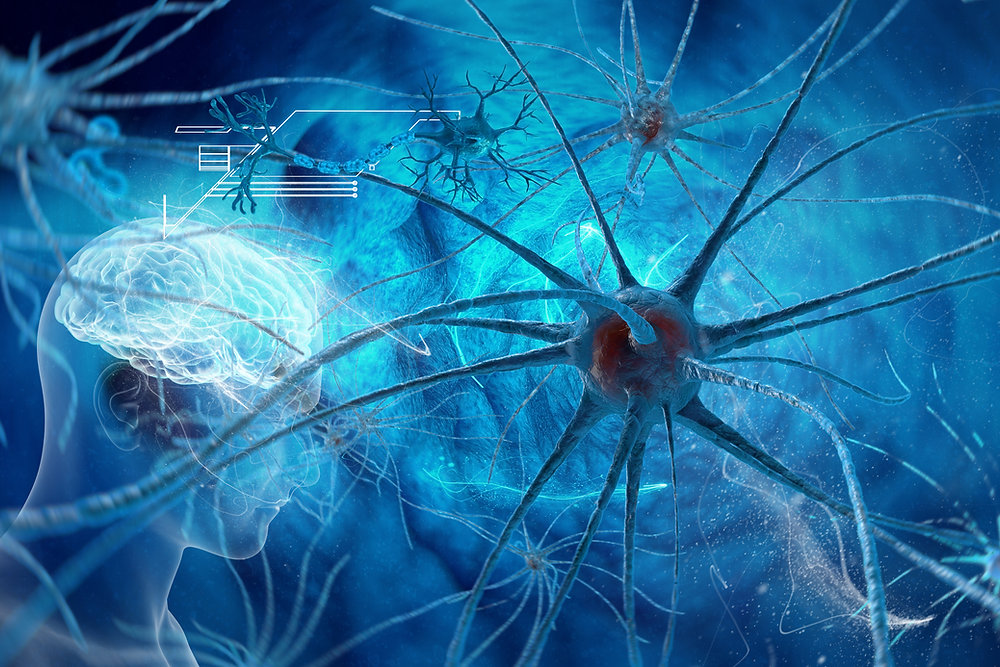
When the brain learns to hold certain muscles “on” (even at rest), that chronic muscle tone changes how you move, how you breathe, and how you feel in your body. In somatic education, this pattern is often described as Sensory Motor Amnesia — the brain loses clear awareness and voluntary control of specific muscles, so they stay partially contracted like a stuck dimmer switch.
Over time, this doesn’t just create stiffness — it can drive compensation, joint irritation, fatigue, and that low-grade sense of always being “braced.”
If any of these nine signs sound familiar… you’re not alone.
9 Signs Your Body May Be Stuck in a Chronic Tension Pattern
1. Constant tightness, soreness, or joint pain
When muscles don’t fully release, joints lose their normal spacing and glide. The result can feel like “mystery” tightness, aching, or recurring joint irritation.
2. Muscle weakness from too much muscle tone
A muscle that’s always contracted can actually become weak — not because it lacks strength, but because it can’t access a full range of contraction and release. (Tight is not the same as strong.)
3. Difficulty coordinating movements
Coordination depends on clean brain-to-muscle communication. When certain muscles are “offline” from awareness, movement can feel clunky, restricted, or unpredictable.
4. Compensatory patterns — like popping your ribs to lift your arm
When one area is stuck, the body will borrow motion from somewhere else. You might see ribs flare, shoulders hike, or your low back arch just to complete a simple task.
5. Poor awareness or control of certain muscles
This can feel like “I can’t find that muscle,” “I don’t feel my glutes,” or “my core just won’t turn on.” Often, it’s not motivation — it’s neuro-motor mapping.
6. Muscle fatigue
If muscles are working all day just to hold you up in a braced posture, they burn energy constantly. Fatigue becomes your baseline — even without a hard workout.
7. Nervous system imbalance and low energy
Chronic tension often lives alongside chronic stress chemistry. When your system is stuck in “go mode,” restoration suffers — and energy, mood, and sleep can take a hit.
8. Postural changes — rounded shoulders, twists in the torso, arched lower back
Posture is not a willpower issue. It’s the visible footprint of habitual muscle tone. When some areas shorten and others overwork, your body adapts around that pattern.
9. Altered walking patterns that lead to joint issues, arthritis, or disc problems
Walking is a whole-body coordination event. When tension changes your gait, the load moves into places it wasn’t designed to handle — which can contribute to chronic knee/hip/foot pain and spinal wear over time.
So… What Can You Do About It?
This is where somatic work is different from “more stretching” or “more strengthening.” If the tension pattern is brain-based, the solution needs to be brain-based too.
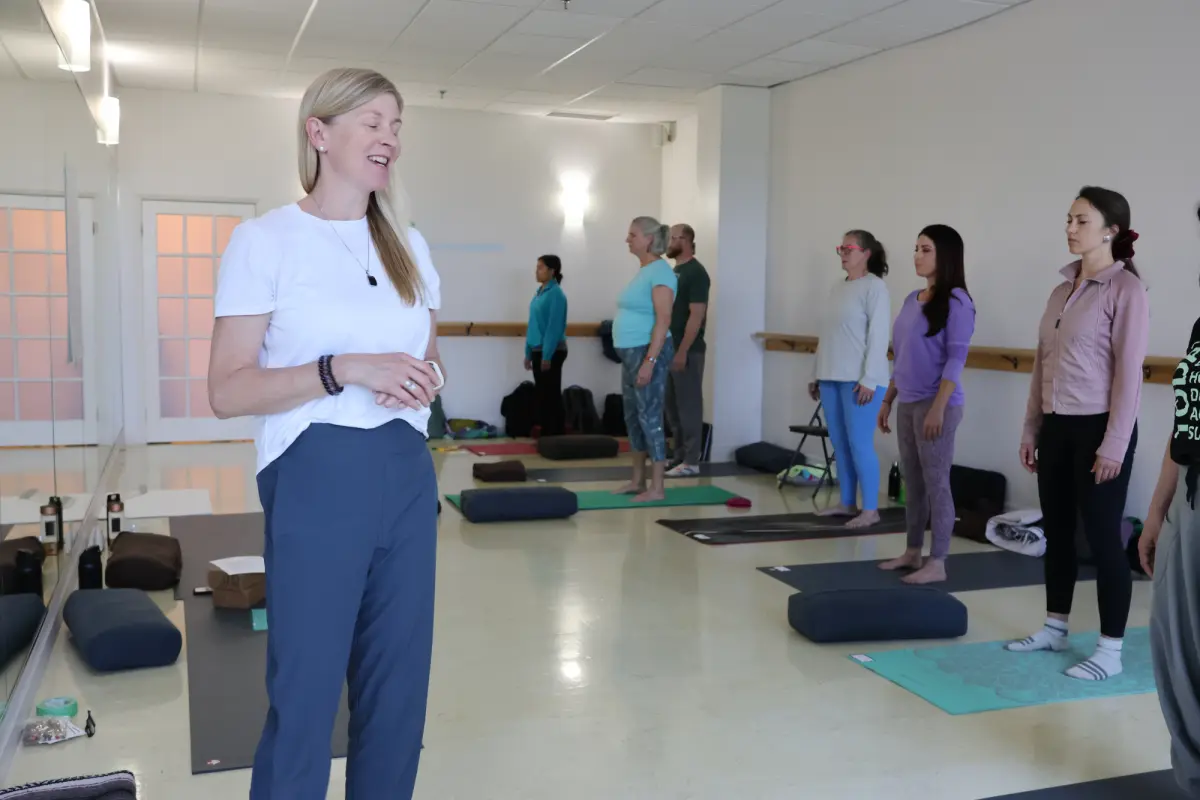
Somatics and SomaYoga use gentle neuromuscular re-education (including pandiculation and interoceptive awareness) to help the brain regain control of muscles that have been stuck on autopilot — so they can contract, lengthen, and fully release again.
If you recognized yourself in this list, take that as good news: what’s learned can be unlearned.
Take a look at our online course: Somatic Foundations: Rebalance Your Nervous System & Relieve Pain
A gentle starting point for nervous-system regulation and pain relief. In 6 weeks, learn core somatic tools to release tension, rebalance your nervous system, and reconnect with ease — ideal for tight hips and low-back pain.
Click Here


 FreeFree MasterclassDiscover how SomaYoga and somatics can rebalance your nervous system.Watch the replay
 Work with CarrieYoga therapy, pain reprocessing and somatics.Our StoryWho we are and why we do this work.
 Work with NicoleSomaYoga therapy for pain relief and ease of movement.Clinic SessionsPrivate sessions to resolve pain and build your self-care routine.TestimonialsReal stories from students who found relief.
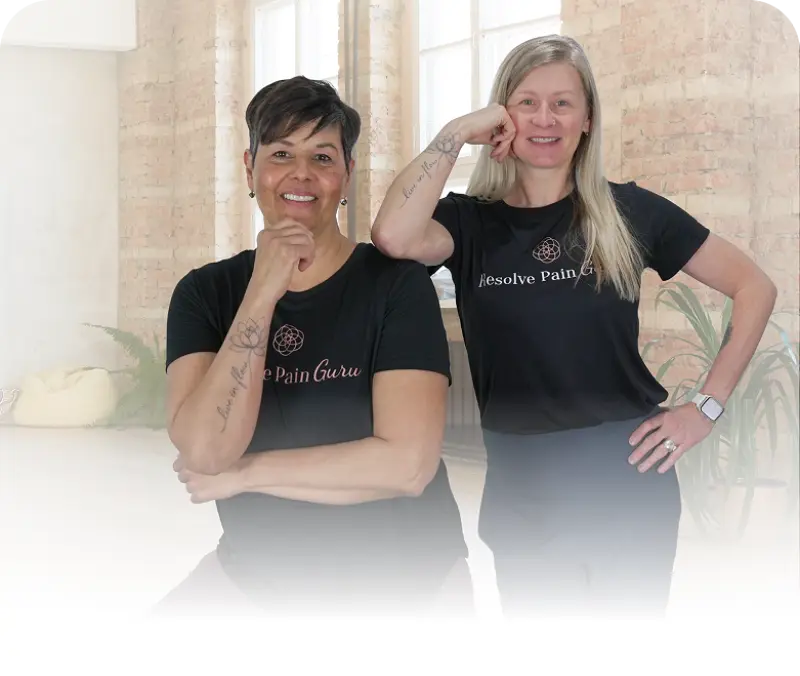 Meet the foundersCarrie & NicoleCertified SomaYoga Therapists helping clients resolve chronic pain for 14+ years.Read our story
.jpg)