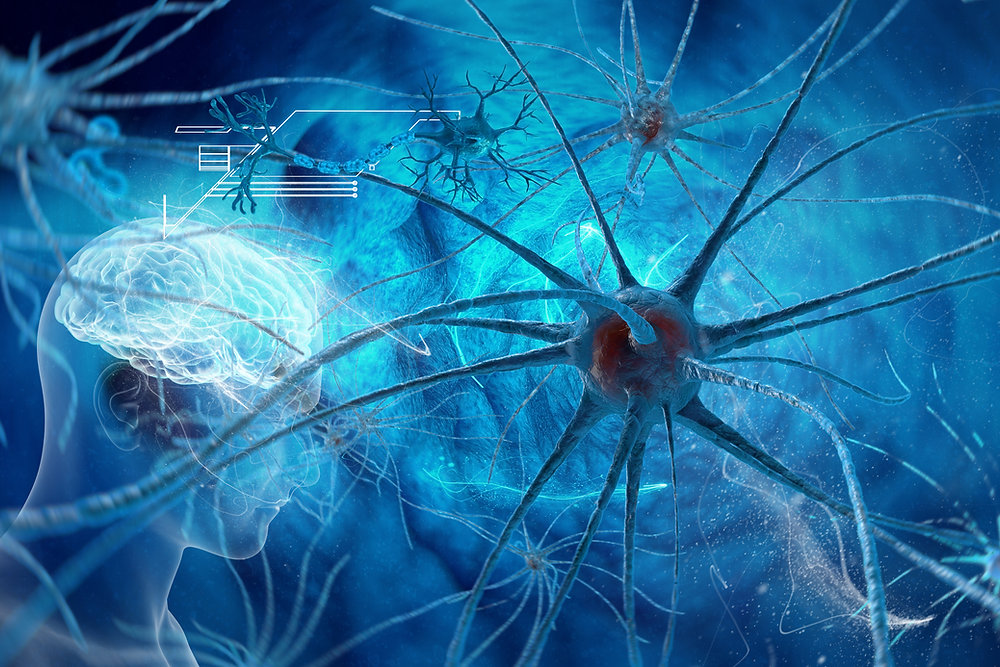
Acute vs. Persistent Pain: The Part Everyone Skips
Let’s start with something simple — and shockingly misunderstood.
Acute pain is short‑term pain. It’s the kind you feel when you sprain an ankle, burn your hand, or pull a muscle. It’s your body’s alarm system saying, “Hey, something just happened — pay attention.”
Persistent pain, on the other hand, is pain that lasts more than three months. And here’s the kicker: after that point, the pain is often no longer about tissue damage. It becomes a nervous system issue, not a “something-is-wrong-with-my-body” issue.
This is where most people — and honestly, most practitioners — get lost.
The Brain Is the Control Center (Not Your Muscles)
We grow up thinking pain comes from our muscles, joints, discs, or bones. But the truth is far more interesting: Pain is an output of the brain. Not a thing your tissues “send” to you. Your brain decides when you feel pain. Your brain decides how much pain you feel. Your brain decides whether a muscle stays tight, guarded, or stuck. And your brain can learn patterns that keep you in pain long after the original issue has healed. This is the part no one tells you — because it’s not as simple as “stretch more” or “strengthen your core.”
Sensory Motor Amnesia: The Hidden Culprit
If you’ve been stretching the same tight area for months… If massage helps but only for a few hours… If your body feels like it’s stuck in a loop…
You may be dealing with Sensory Motor Amnesia (SMA) — a brain‑based phenomenon where your nervous system literally forgets how to relax certain muscles.
Let me say that again:
Your muscles aren’t tight because they’re weak. They’re tight because your brain is holding them there.
SMA happens when the brain learns chronic contraction patterns from: stress, trauma, repetitive movement, emotional overload, long-term bracing or guarding. Over time, these patterns become automatic. They drop out of conscious control and into the subcortex — the part of your brain that runs habits.
The result?
Muscles that contract… but can’t fully release. That’s why stretching doesn’t fix it. You can’t stretch your way out of a brain‑driven contraction.
Pain Is a Symptom — Not the Problem
This is the sh*t no one tells you.
Pain is not the enemy. Pain is not the root cause. Pain is not the thing you should be chasing.
Pain is a signal — a message from your nervous system saying: “Something in your movement patterns, your stress load, or your brain‑body communication needs attention.” But most people treat pain like the problem itself:
stretch the painful area
massage the painful area
strengthen the painful area
ice the painful area
brace the painful area
Meanwhile, the root cause — the neuromuscular patterning in the brain — goes untouched.
Somatics: Where the Real Work Happens
Somatic neuromuscular re‑education doesn’t chase pain. It goes straight to the source: the brain. Through slow, conscious movement and a technique called pandiculation, somatics teaches the brain how to:
release chronically contracted muscles
restore voluntary control
reset resting muscle length
rebalance the nervous system
dissolve old movement habits
create new, healthier patterns
This is why people who’ve tried everything suddenly start improving. Because for the first time, they’re working with the control center — not the symptoms.
The Truth You Deserve to Know
Your pain is not a life sentence. Your body is not broken. Your tight muscles are not “just how you are.” Your nervous system is not stuck — it’s trainable.
Persistent pain is a brain‑based pattern. And patterns can be changed. This is the shit no one tells you… but you deserve to know.
Take a look at our online course: Somatic Foundations: Rebalance Your Nervous System & Relieve Pain. A 6-Week gentle starting point to help you reduce or resolve your pain and get you back to doing the things you love with ease and joy.
Click Here


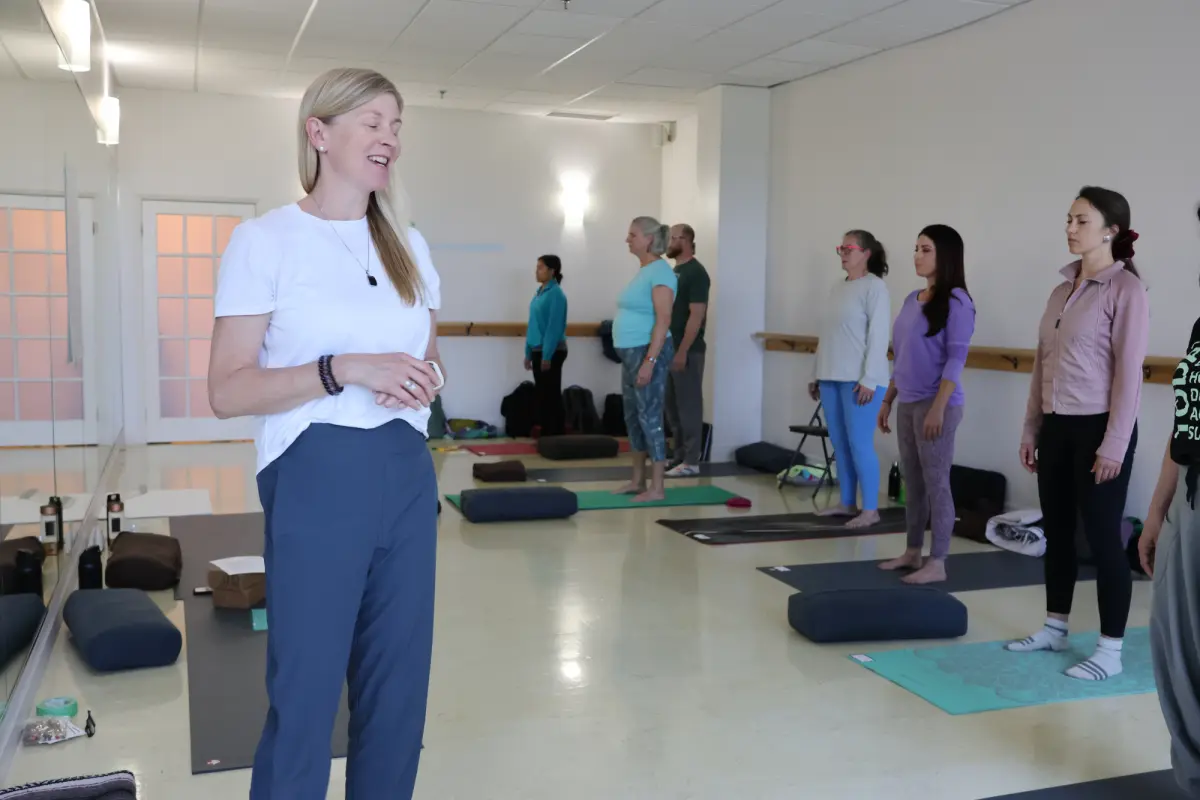 FreeFree MasterclassDiscover how SomaYoga and somatics can rebalance your nervous system.Watch the replay
 Work with CarrieYoga therapy, pain reprocessing and somatics.Our StoryWho we are and why we do this work.
 Work with NicoleSomaYoga therapy for pain relief and ease of movement.Clinic SessionsPrivate sessions to resolve pain and build your self-care routine.TestimonialsReal stories from students who found relief.
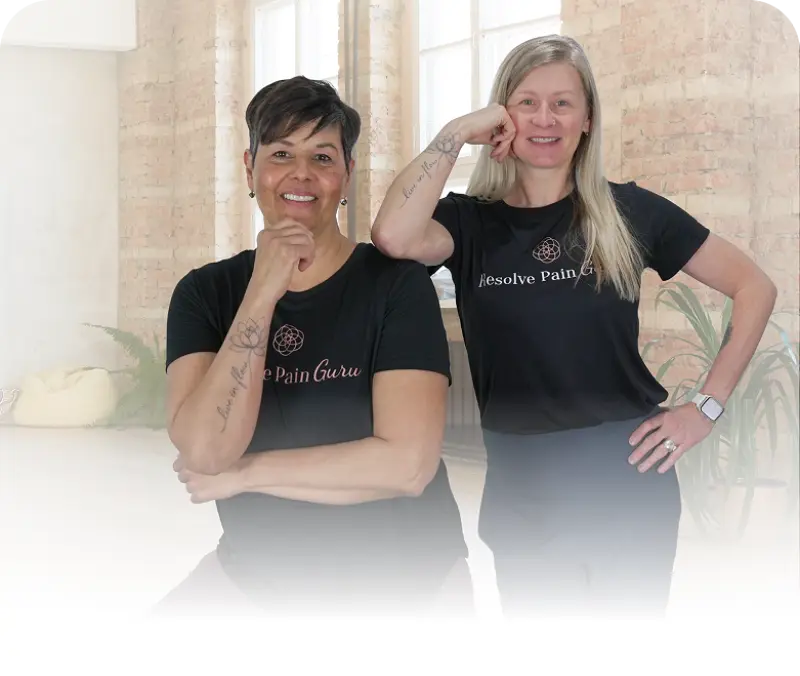 Meet the foundersCarrie & NicoleCertified SomaYoga Therapists helping clients resolve chronic pain for 14+ years.Read our story