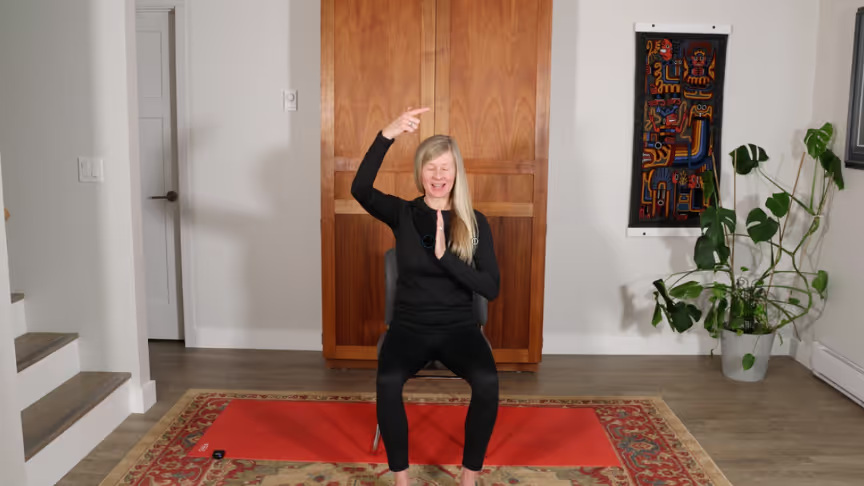
How well do you breathe? Are you a nose or mouth breather? What muscles are you using to breathe? Do you have a lot of tension in your upper neck and shoulders? Do you breath hold? Are you under lots of stress, suffer from anxiety or feel on edge a lot of the time. All of this may reflect a diaphragm that is holding a tone of tension, not moving properly and keeping you in a state of nervous system overdrive. When we are stressed, we do not breathe well, and when we have learned to not breathe well - this is a huge stressor on our Nervous System.
Ok let’s talk about anatomy for a moment.
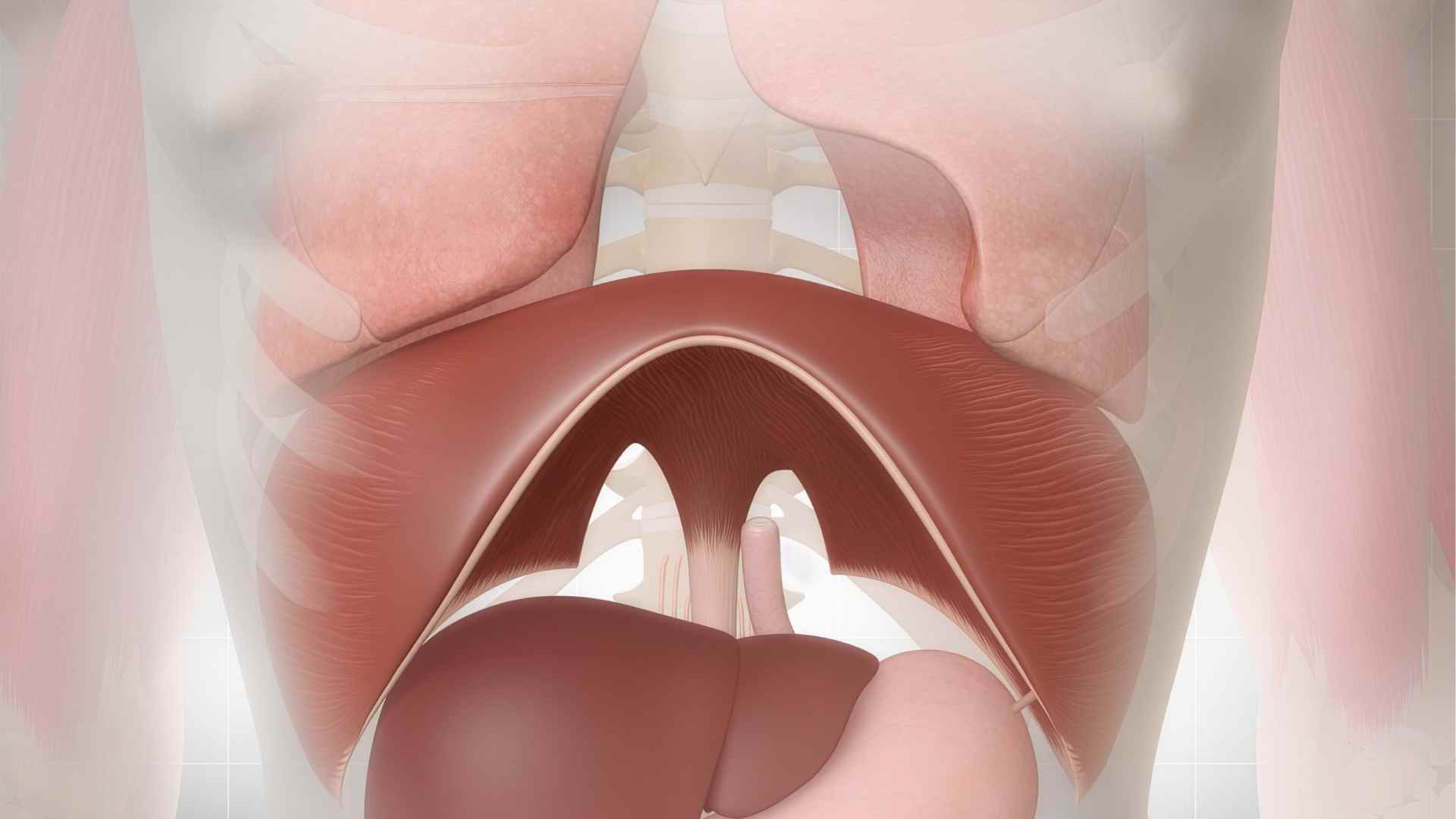
Our primary breathing muscle is the diaphragm. It's a Large domed muscle shaped like a parachute, It separates the heart and lungs from the abdominal organs. The heart and lungs live above the diaphragm and are responsible for circulation and respiration. Below the diaphragm we have the organs of digestion and assimilation and elimination, the organs that process & filter and the reproductive organs. On average the diaphragm moves up and down about 20,000 times a day - that is when the diaphragm is free to move well.
Here are 5 benefits of a functional diaphragm and why you should use your diaphragm to breathe not your chest muscles.
1. Your Diaphragm displaces your organs downward and then upwards. This is also known as visceral movement.
2. This proper functioning (the up and down movement) promotes flushing & massaging of the abdominal organs which keeps them healthy. Think good nutrients in and waste out.
3. This down and up movement stimulates the nervous system. A diaphragmatic breath triggers the relaxation response, known as the parasympathetic rest and digest functions which help us regulate stress.
4. The movement of the diaphragm creates intra-abdominal pressure – think of this as “natural core stability” from the inside out. This movement creates a container of stability to support us in movement and life
5.The diaphragm is responsible for the movements and dynamics of the lumbar spine so breathing well, diaphragm moving well creates a natural and organic micro arch and flatten.
So, What Does SomaYoga and Somatics Do to Help?
A functional diaphragm is far more than a breathing muscle—it’s a central player in how we regulate stress, support our organs, stabilize our core, and move through the world with ease. When the diaphragm is free to move well, it becomes a built‑in massage system for the organs, a natural stabilizer for the spine, and a direct pathway into the parasympathetic “rest and digest” response.
But when stress, habit, posture, or tension restrict its movement, the whole system feels the impact. Breathing becomes shallow, the nervous system stays on alert, and other muscles—especially in the neck, shoulders, and chest—work overtime to compensate.
The good news is that what can be learned can also be unlearned. Diaphragmatic function can be restored with somatic awareness and practices that speak the language of the nervous system. The diaphragm remembers how to move the way it was designed to, breathing becomes smoother, calmer, and more efficient, the nervous system settles and the body feels more supported from the inside out.
A well-functioning diaphragm isn’t just about better breath—it’s about creating the conditions for your whole system to thrive.
Take a look at our online course: Somatic Foundations: Rebalance Your Nervous System & Relieve Pain
A gentle starting point for nervous-system regulation and pain relief. In 6 weeks, learn core somatic tools to release tension, rebalance your nervous system, and reconnect with ease — ideal for tight hips and low-back pain.
Click Here


 FreeFree MasterclassDiscover how SomaYoga and somatics can rebalance your nervous system.Watch the replay
 Work with CarrieYoga therapy, pain reprocessing and somatics.Our StoryWho we are and why we do this work.
 Work with NicoleSomaYoga therapy for pain relief and ease of movement.Clinic SessionsPrivate sessions to resolve pain and build your self-care routine.TestimonialsReal stories from students who found relief.
 Meet the foundersCarrie & NicoleCertified SomaYoga Therapists helping clients resolve chronic pain for 14+ years.Read our story